
memi is the AI workbench for product designers.
memi is the AI workbench for product designers.
Run Codex or Claude Code with project memory, design-system context, receipts, and Figma/FigJam handoff in one signed macOS app.
- Codex
- Claude
- Figma
 OpenCode
 Download memi macOS · 1.0.4 View features →
Open source · Apple-signed by Humyn LLC · Team Z4ZUZ884U3
npm latest @memi-design/cli@1.1.0
Studio app 1.0.4
Homebrew cask 1.0.4
memi Studio
Included
One workbench for design-aware agent runs.
Open a project, choose an agent, watch the run spine, and turn useful output into editable design memory.
Run agents
Start Codex or Claude Code with the right setup.
Auth, permissions, models, and session controls stay visible.
codexclaudepermissions
Inspect the work
Read prompts, plans, tools, files, and cost as receipts.
The run spine stays compact until you need the raw log.
plantoolsfiles
Keep memory

Turn decisions, tokens, research, and notes into context.
Design memory is editable project state, not hidden prompt soup.
decisionstokensartifacts
Prepare boards
Export local Mermaid and FigJam-ready planning source.
External sync waits for approval; the source stays inspectable.
researchmermaidfigjam
Memory
AI design tools forget. memi keeps the product system readable.
memi://project-memory
Design memory
Research, specs, tokens, decisions, and reviews in one readable layer.
Markdown / YAML
Plain project memory that agents can read, diff, and reuse.


Codex + Claude
Primary agents with explicit auth, permissions, and receipts.
Research design
Findings become specs, context, and board-ready source.
PM Board
Local Mermaid and FigJam-ready source before external sync.
Figma bridge
Pull tokens, components, trees, and screenshots when needed.
Proof
A signed macOS app for agent runs and product memory.
Studio keeps the runtime, Codex and Claude sessions, design artifacts, Figma source, and run history in one desktop app.
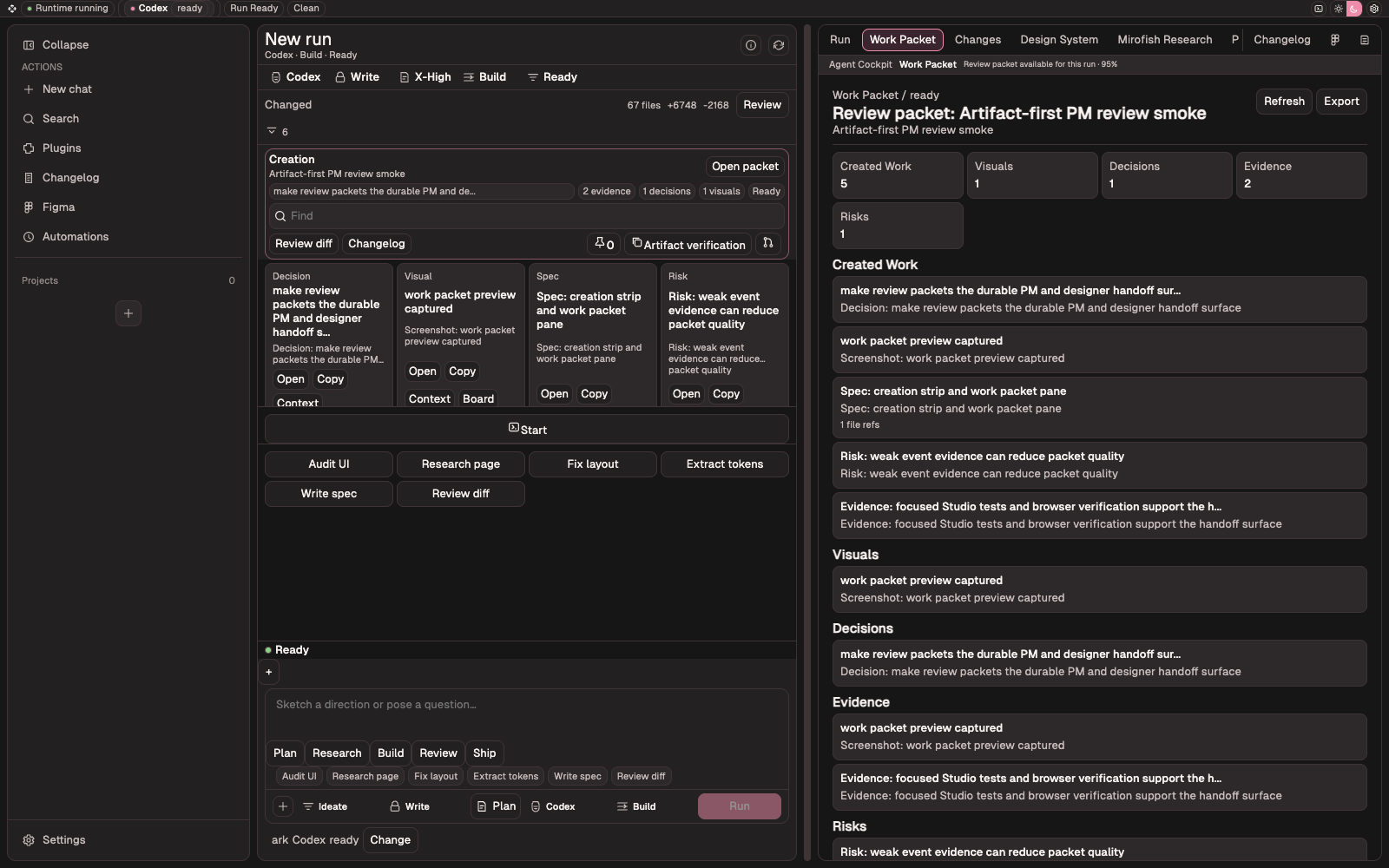 macOS Studio Signed macOS app
Native release with the runtime materialized locally.
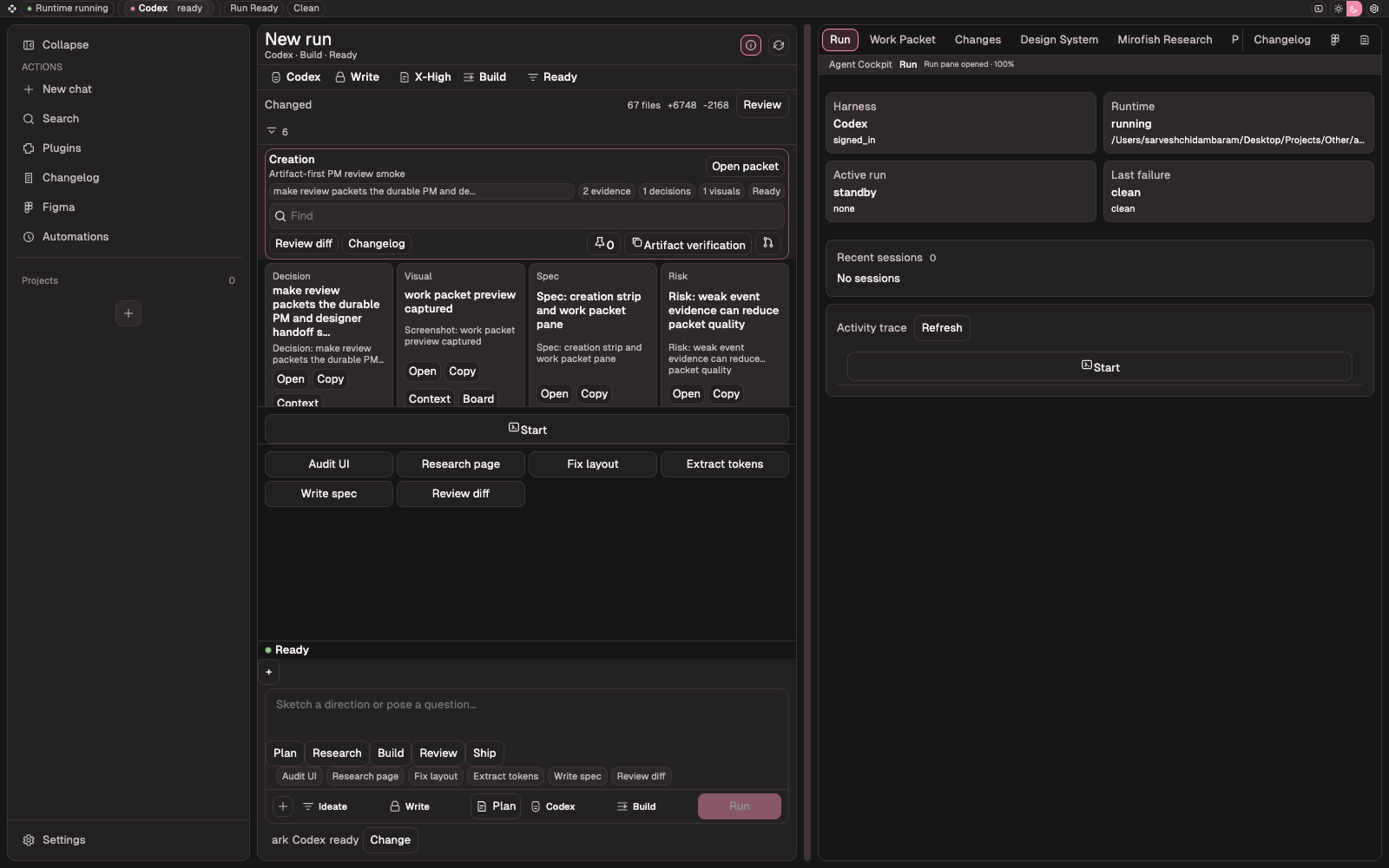 Agent runs Codex + Claude traces
Run agents, stream receipts, cancel safely, save results.
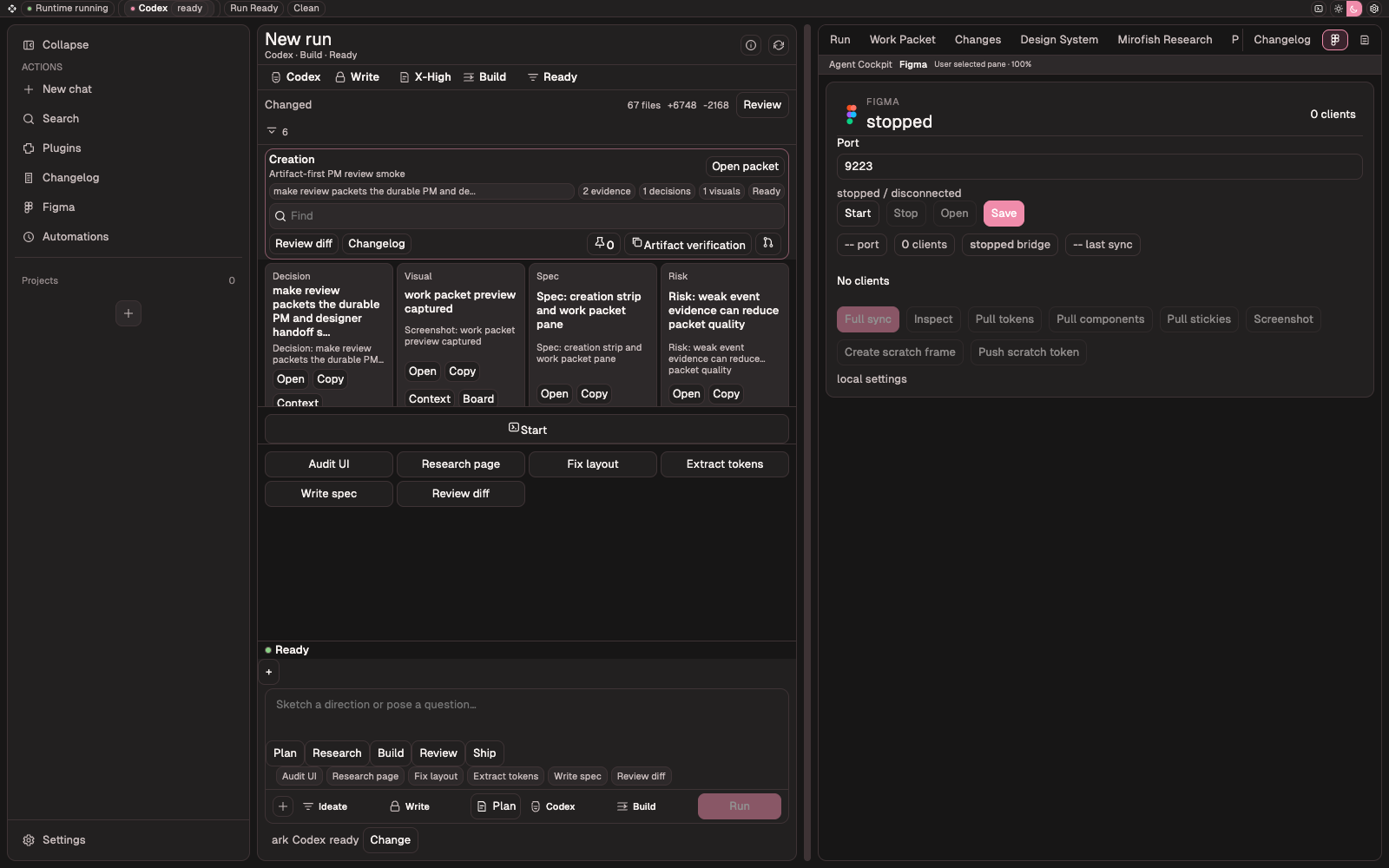 Figma + Computer Contextual design lane
Connect Figma only when the run needs design source.
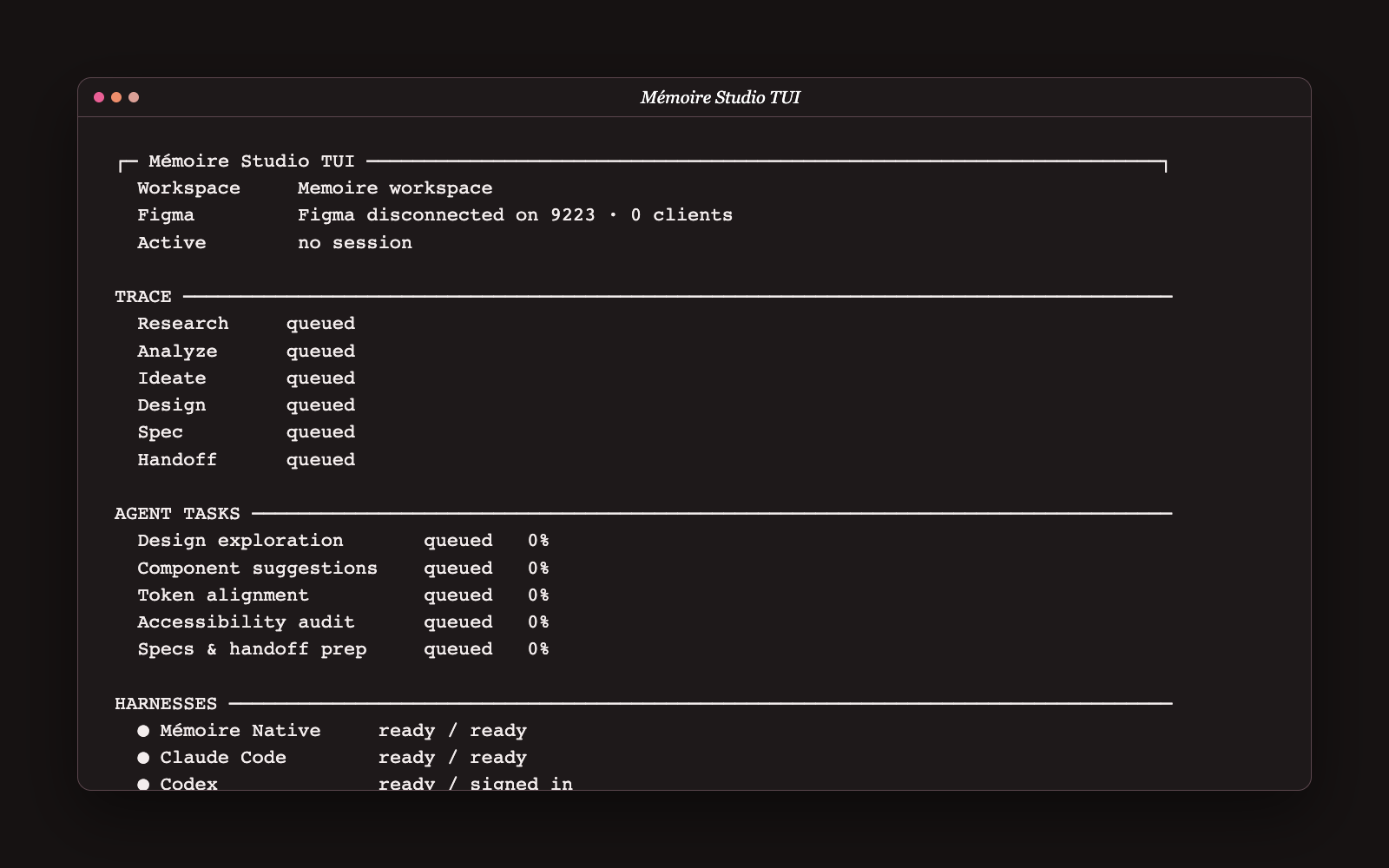 TUI + Logs Raw logs when needed
Keep receipts default, then reopen full logs for audit.
Skills
The polish lives in actual skill files.
memi carries taste as executable practice: capture the screen, score tenets, catch traps, and turn critique into the next tweak.
ux.audit\_screenshot running

score 84 clarity + feedback protected
memi ux audit studio.png --skill UX_TENETS_TRAPS
[observe] screenshot captured      [########--] 84%
[tenets] clarity feedback trust    [#######---] covered
[traps] missing state + copy drift  [fix ready]
[next] receipt, retry, tighter labels
Default `SUPERPOWER.md`
Autonomous design loop `OBSERVE -> PLAN -> EXECUTE -> VALIDATE -> ITERATE`
Canvas `FIGMA_AUDIT.md`
Audit before handoff `memi audit figma --tokens --accessibility`
Critique `UX_TENETS_TRAPS.md`
Tenets and traps `memi ux audit screenshot.png --json`
Figma
localhost:5173/monitor connected · 1ms
Bridge port
9224
WebSocket server
Plugin
Active
memi Terminal
Events
174
since page load
Uptime
9:29
healthy
Port scanner (9223–9232)
9223 9224 · listening 9225 9226 9227 9228 9229 9230 9231 9232
Live event stream
1. 07:44:03plugin-connectedIdentified memi Terminal 2. 07:44:08tokens.pull171 tokens · 1.2s 3. 07:44:17selection3 nodes inspected 4. 07:44:20plugin-disconnectedreconnecting in 16.3s… 5. 07:44:36plugin-connectedunknown via figma
Launch notes
Recent notes from the build.
Release hygiene, designer controls, and the product-design workbench model behind Studio.
 Jun 10 The three-week playground The /try playground lived for exactly three weeks: built in a one-day burst, audited the next morning with a four-axis scorecard, and deleted in the pivot commit that said the macOS Studio is the product. Read
 Jun 10 Four names in ten months Between July 2025 and May 2026 this product was figbud, then Ark, then Noche, then Memoire, then memi. Two of those renames happened inside 48 hours. The git log records what every one of them cost. Read
 Jun 7 The landing page should inherit the app's restraint. Tightening the homepage was the visible step. The system underneath is older: a ten-commit design-token wave from April, proof modules with e2e assertions from May, and a Playwright audit to keep the restraint honest. Read
Advanced


Help build the Notes pack and the design-system memory layer.