




AI tech companies have ‘hidden debt’ worth around $1.65 trillion, report claims — amount is 122% of debt reflected on the balance sheets of Alphabet, Amazon, Meta, Microsoft, and Oracle

(Image credit: Getty)
- Copy link
- X
- Photonics and high-speed data movement is the next big AI bottleneck
- The data center cooling state of play
- Massive AI data center buildouts are squeezing energy supplies
- Ultra Ethernet: The data center interconnection of tomorrow
- Oh, this bubble is going to burst like Tsar Bomba. Reply
- File this under duh. AMD story broke today... "AMD to invest up to $5 billion in Anthropic as part of computing power deal" How much you want to bet anthropic will now "invest" billions by buying AMD hardware? Its just a circle at this point pumping up their stock till they can dump it. Sandisk went from 2300 to 1600 in the last month as insiders were dumping. Now its being pumped again and so on and on... This is a giant bubble that will not just take down a lot of tech but also banks and others "invested" in it. Reply
- This can't implode soon enough. Reply
- Just imagine the garage/rummage/liquidation sales! I'll see myself out now. Reply
- > This uncertainty, paired with the way tech companies “hide” these liabilities, is quite concerning, as they would appear to have less long-term obligations than they actually do. This is still considered an acceptable accounting practice after Enron and Worldcom? Sarbanes-Oxley missed something kind of important here, lol. At best, this is deceptive to investors and at worst, well, the results are in the history books now: a stock market collapse. Reply
- View All 5 Comments
Share this article
Join the conversation
Add us as a preferred source on Google
Newsletter
Subscribe to our newsletter
Five U.S. tech giants heavily invested in AI and its related infrastructure reportedly have an estimated $1.65 trillion in hidden debt, with the figures annotated in their quarterly financial statements instead of being listed in their balance sheets. According to Nikkei Asia, this is higher than the $1.35 trillion officially listed, meaning investors could be caught unaware once the hidden figures come to light.
Go deeper with TH Premium: AI and data centers
(Image credit: Microsoft)
The publication says that Meta has a high off-balance-sheet-to-recorded-debt ratio, with the company owing $420 billion in unlisted debts compared to the $140 billion written on the balance sheet. Oracle purportedly also has a massive $273.3 billion of hidden debt, which is a 2,900% jump from the hidden debt it had from 2022.
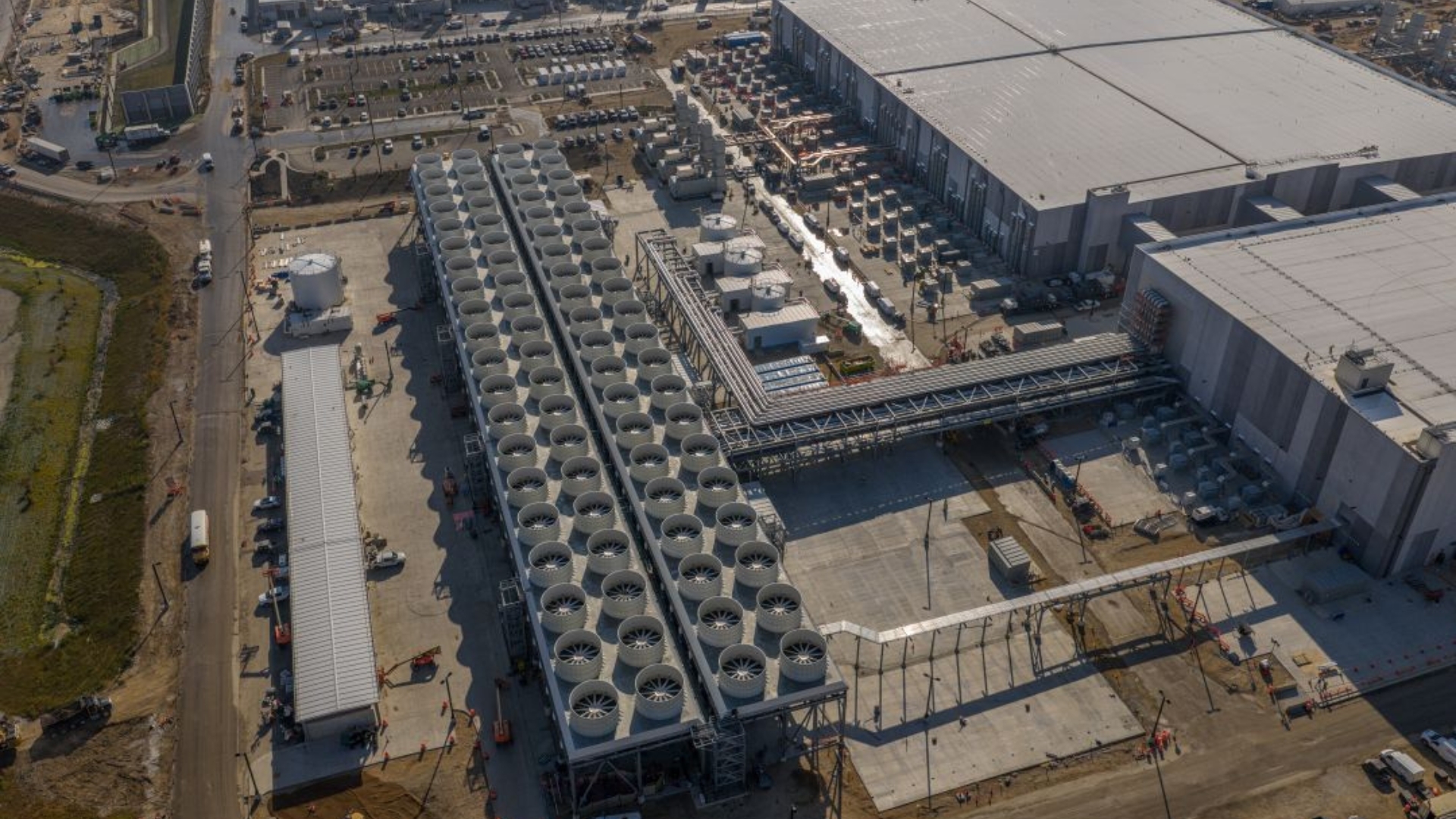
This may sound strange, but it’s actually an accepted accounting practice. The “hidden debt” stems from long-term contracts that have been signed but have not come into force yet, which, Nikkei says, is mostly related to the billions of dollars promised to data center operators. The AI race has got many hyperscalers signing contracts and agreements with data center operators, saying that they will pay for the compute they generate once their project goes online.
Latest Videos From
Watch full video here:
While any institution promising to pay any amount of money for services or goods delivered is obliged to list them as a liability, the fact that these data centers haven’t started operations means that these agreements are off-the-books at the moment. But when these projects come online, the contracts that the tech giants have signed will come into force, and they’ll have to pay for the compute that these sites will deliver, no matter if there is demand or not.
Nevertheless, these tech companies aren’t just pouring money into future contracts just for the sake of it. Alphabet, Amazon, and Microsoft reportedly have a cloud service backlog worth $1.45 trillion, meaning these are services yet to be rendered and paid. Amazon Web Services CEO Matt Garman also told the publication that the investments that the company is getting into are “not speculative.”
While this may seem like a good way to secure capacity — sign customer contracts that guarantee demand and then enter into long-term agreements with data centers to get the compute needed to deliver the services- it opens these tech giants to massive amounts of risk. That’s because if the demand fails to materialize, then they’d be left paying for excess compute without having any customers to sell them to. What’s more alarming is that Nikkei says that these investment expenditures are exceeding their earnings, meaning these big tech companies are increasingly relying on corporate bonds and new shares to fund them.
Even though demand for AI compute is increasing, it’s still a relatively new and unproven technology, with many experts saying that it should benefit more people to avoid a bubble. The cost of using AI for nearly everything, called “tokenmaxxing,” has also caught some companies by surprise, with agentic AI eating up annual AI budgets in a matter of weeks. Because of this, some companies are reducing their use of AI or are switching to more affordable models from China. This uncertainty, paired with the way tech companies “hide” these liabilities, is quite concerning, as they would appear to have less long-term obligations than they actually do.
Get Tom's Hardware's best news and in-depth reviews, straight to your inbox.
Contact me with news and offers from other Future brandsReceive email from us on behalf of our trusted partners or sponsors
This isn’t the first time that an industry giant has used similar accounting techniques. The publication cited Enron’s 2001 collapse, which was due to the company hiding its troubled assets through special purpose entities and marking unrealized gains from trading contracts into its current income statements. While the tech giants are not hiding underperforming assets off their balance sheets and committing fraud, they’re still using a similar mechanism to list their upcoming obligations. Although these are technically not debt, they still behave like one, and the way they’re reported is what’s concerning some experts.

Follow Tom's Hardware on Google News, or add us as a preferred source, to get our latest news, analysis, & reviews in your feeds.
TOPICS
Jowi Morales is a tech enthusiast with years of experience working in the industry. He’s been writing with several tech publications since 2021, where he’s been interested in tech hardware and consumer electronics.