American Killed By Lightning While Climbing Italian Volcano


By Matthew Robinson and Jordan King
0
Share
Newsweek is a Trust Project member
See more of our trusted coverage when you search.Prefer Newsweek on Googleto see more of our trusted coverage when you search.
---
An American tourist from Kansas has died after being struck by lightning while climbing the volcano Mount Etna in Italy on Sunday.
The man, 29, was hiking in an exposed, barren area on Sunday evening before he was found nearly 4,600 feet in the Rocca Capra area, Italian firefighters said. He was caught in a thunderstorm and struck by lightning, the local newspaper La Sicilia reported. The identity of the man has not yet been released.
Authorities had closed parts of Mount Etna’s slopes to hikers because of the volcano’s prolonged activity, which also forced Catania’s airport to close for much of the previous week. La Sicilia, citing an initial reconstruction of the incident, reported that the tourist had followed a trail into a restricted area, but authorities have not confirmed whether he was inside one of the closed zones when he was struck.
#### Read More on News
The emergency services were contacted shortly before 8 p.m. local time, and firefighters reached the hiker by helicopter.
The man was taken to Cannizzaro Hospital in the city of Catania, but was pronounced dead in the emergency room at around 9.30 p.m. The man had been suffering from cardiac arrest, the newspaper Catania Today reported.
The incident was the second fatal lightning strike that occurred in Italy on Sunday. An Italian man died after being struck while hiking on the Piz Starlex mountain in the Alps in the South Tyrol region, the authorities reported.
Separately, four Spanish tourists were rescued from Italy's Mount Colmegnone next to Lake Como on Sunday after they became stranded due to a violent thunderstorm, the country's ANSA news agency said.
The rescue operation, which involved a fire brigade helicopter, was particularly challenging due to strong winds and heavy rain.
...
Mount Etna Eruption
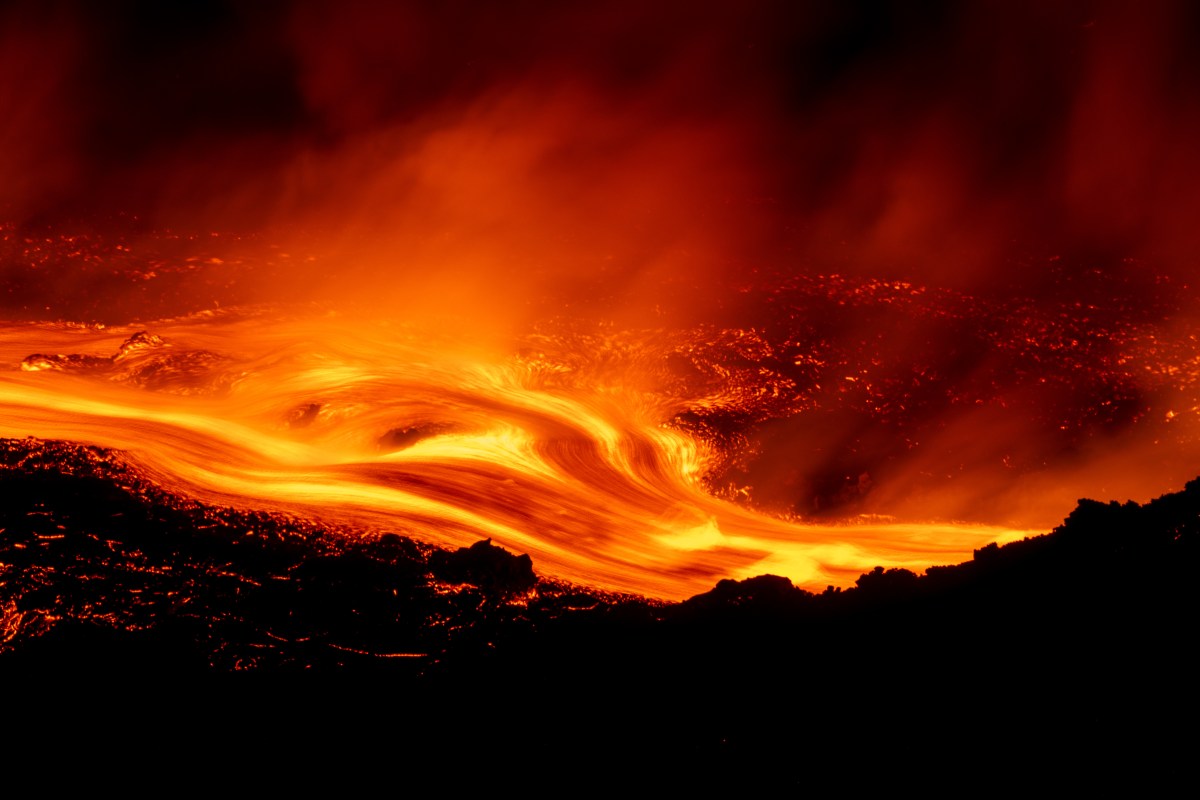
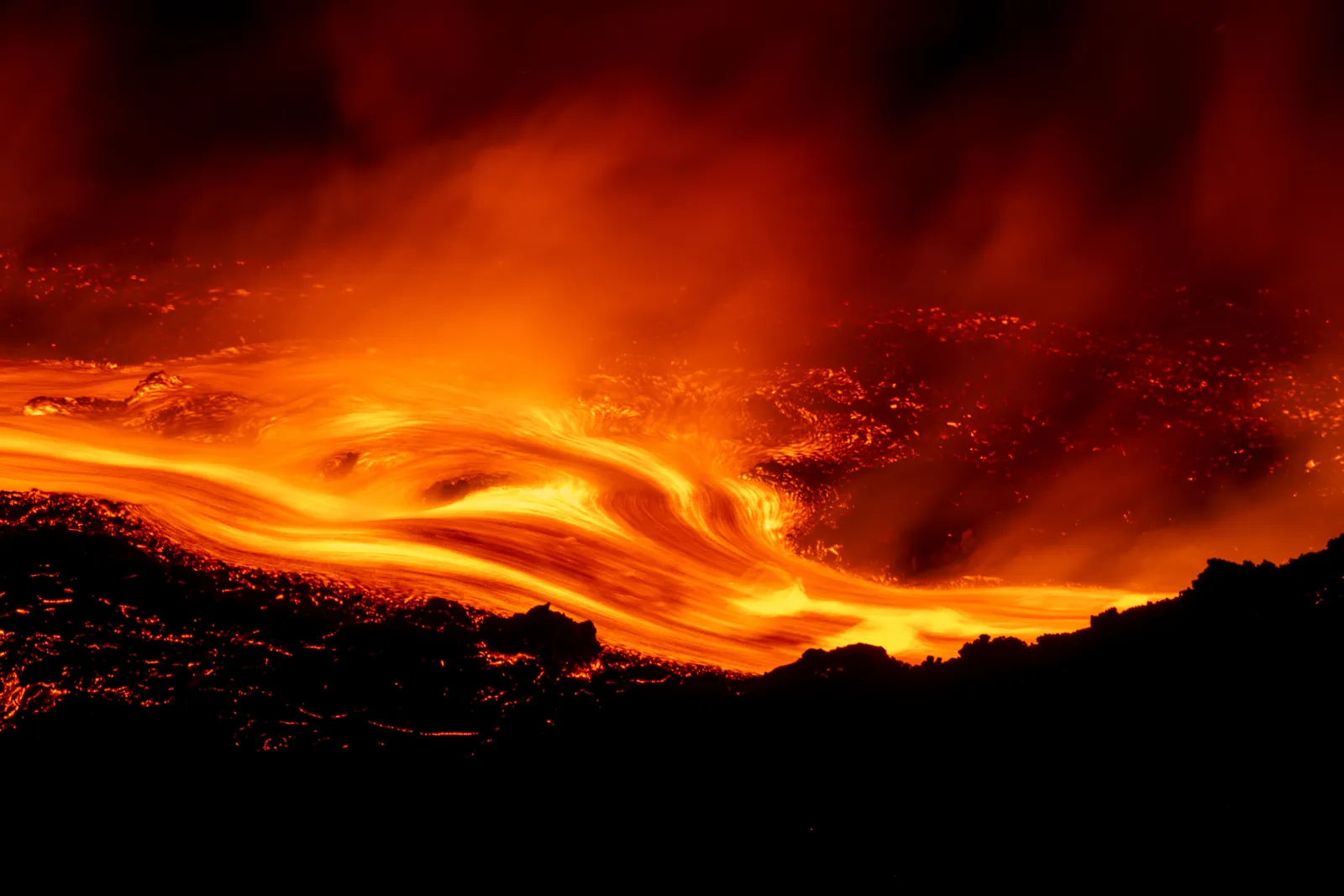
Mount Etna—located on the Italian island of Sicily—is Europe's highest and most active volcano, and erupted between August 6 and 14 this month.
The event sent large clouds of ash into the sky and forced the cancellation of hundreds of flights during the peak summer holiday season at Catania–Fontanarossa Airport, which is located around 50 miles south of the volcano. The airport is Sicily’s busiest airport and Italy's fifth-busiest by passenger traffic.
An eruption was also recorded at the volcano in July at an altitude of around 3,000 meters.
Boris Behncke, a researcher at the Italian National Institute of Geophysics and Volcanology, told Euronews earlier this month: "Volcanic ash can be a great risk for aircraft. It can be sucked into the motors and force them to stall. This is why everyone is so very cautious with aircraft when there is a volcanic ash emission."
While Etna frequently erupts, Behncke noted that this month's sustained activity is rare. "There have been many shorter interruptions and stronger eruptions over the past few decades, but this event is different because the ash emission from Etna's summit has been much more persistent," he said.

...
Timeline of Mount Etna’s Recent Activity
The following timeline was compiled using reports and monitoring data from the Italian National Institute of Geophysics and Volcanology and ANSA.
- July 30: Strombolian activity intensified at Etna’s Voragine crater, producing a lava fountain, a small pyroclastic flow and an ash cloud that rose about 4.3 miles above sea level. Lava later began flowing from a vent at an altitude of approximately 2,700 meters.
- August 6: A new explosive event occurred at the Voragine crater, followed by Strombolian activity and ash emissions. The activity intensified into a lava fountain later that day.
- August 7-8: Volcanic ash repeatedly disrupted operations at Catania–Fontanarossa Airport. The aviation alert was later lowered from red to orange as the explosive activity weakened, although lava flows continued.
- August 12: Airport officials said about 700 flights had been canceled since August 8, while more than 250 departures and arrivals had been rescheduled.
- August 13-14: Lava continued flowing from vents on the volcano as explosive activity at the Voragine crater produced further ash emissions. By August 14, activity had stopped at one vent but continued at a lower vent at about 1,900 meters.
- August 16: An American tourist was struck by lightning while hiking in the Rocca Capra area at an altitude of about 1,400 meters. He was rescued by helicopter but later pronounced dead.
- August 17: Volcanic activity continued, with a new effusive vent reported in the Valle del Bove and ash still being emitted from the Voragine crater.
What's Next
Authorities are expected to continue investigating the circumstances of the tourist's death, including whether he entered a restricted area of Mount Etna. Officials have not yet publicly identified the 29-year-old victim.
The incident comes as thunderstorms continue to affect parts of Sicily, with forecasters warning of additional storm activity around the Mount Etna area in the coming days. Authorities are urging hikers and tourists to closely monitor weather alerts and respect trail closures, as conditions on the volcano can change rapidly.
Contact Newsweek editors on this story: John Fitzpatrick and Gray R. Thomas
View 0 Comments
Submit Correction