


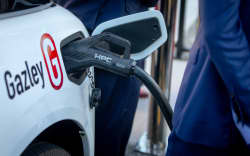
EVs being trialled as giant batteries to power homes for less in Auckland

RNZ / News / Science and technology
Link: <https://www.rnz.co.nz/news/eyJhbGciOiJIUzI1NiJ9.%5Fg.pKhUMkRnoOZwX4iq2fhLAqba5Rz0jb3mINKRqASmxf0/science-and-technology/1644695%2Fevs-being-trialled-as-giant-batteries-to-power-homes-for-less-in-auckland>
29 September 2026, 11:36am
EVs being trialled as giant batteries to power homes for less in Auckland
Photo credit:123RF
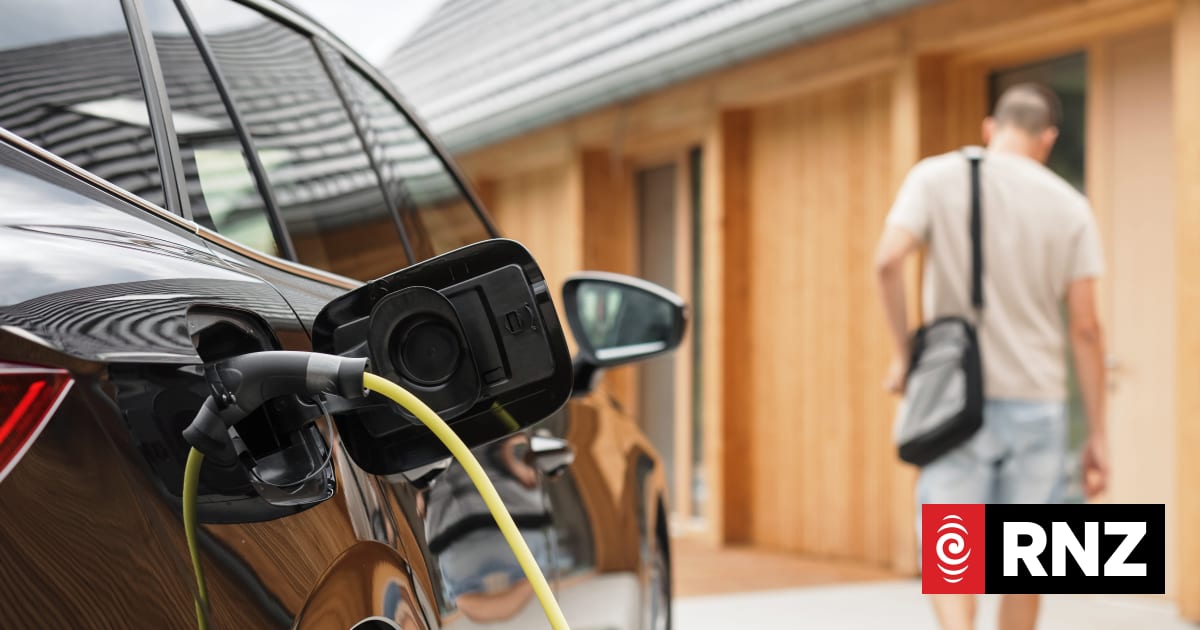
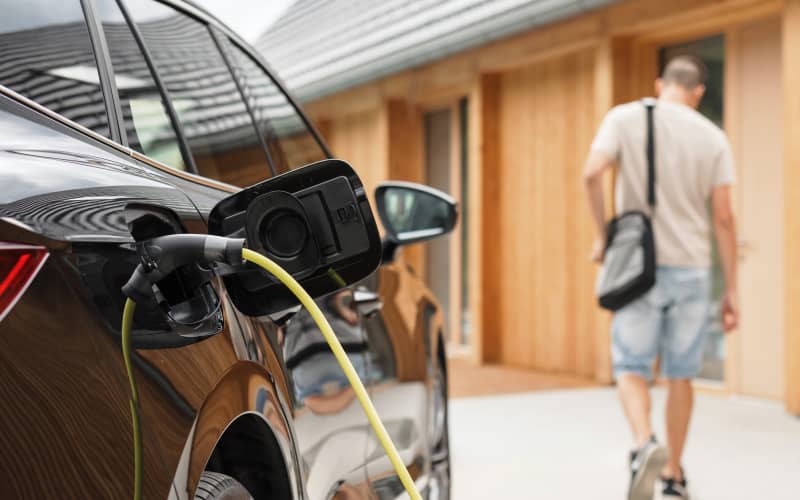
A trial to test how EVs can be used as giant batteries that could power households for less is being launched in Auckland.
The Energy Efficiency and Conservation Authority said up to 100 two-way chargers will be installed in homes and businesses in the city and other urban areas, to explore how the technology could save households money and make the energy system more resilient.
Two-way chargers allow EVs to charge as usual, but then discharge that electricity back to a home, business, or even back to the national grid at times of peak power use.
That means households can charge their EV when power is cheap, and either use the stored energy themselves at peak times, or sell any surplus back when the price is high.
A charged EV with a two-way system could also help a household to get through power outages caused by storms or other severe weather.
The technology - known as vehicle-to-household or vehicle-to-grid - is gradually rolling out internationally.
Australia has already run large trials and two-way charging is now available in certain circumstances in New South Wales and South Australia.
However, EECA said that two-way chargers that can discharge to the grid are not widely available in New Zealand, and the technology is relatively untested here.
The new trial will build on a smaller trial that is already underway and expanding in Queenstown.
"The findings will help build an evidence base to inform future policies and guidance that enable two-way chargers to be rolled out effectively across New Zealand," EECA policy and regulation manager Murray Bell said.
Most people with EVs charged them at home, he said.
"This means there is potential to use parked vehicles for energy storage while they are charging."
There were lots of possible benefits for households, including lowering their electricity bills.
The potential upsides also extended to lines companies and the national grid, by reducing peak electricity demand, EECA said.
Less strain on transmission and distribution networks would reduce the need for costly upgrades.
The Ministry for Business, Innovation and Employment expects New Zealand's electricity demand to increase by between 35 and 82 percent by 2050, as the economy - including transport and industry - shifts from fossil fuels to low-emissions energy sources.
Counties Energy, which runs national EV charging service OpenLoop, would be EECA's partner for the trial, overseeing participant recruitment and charger deployment.
As well as passenger EVs, the trial could include a small number of heavy vehicle chargers.
Findings from the trial would be published regularly, EECA said.
It had just published a market study from its Queenstown trial, setting out some of the hurdles that exist in New Zealand.
That included a current lack of compatible combinations of two-way chargers and EVs that are commercially available, outside of a trial setting.
29 September 2026, 11:36am
More Science and technology
View all Science and technology articles
Australian caves might hold secrets about life on Mars, research suggests
Greenpeace activists removed after boarding NZ research vessel Tangaroa
September’s ozone hole biggest in 20 years, warning signs appeared months ago
Study reveals evolutionary history of bats, dating back 65 million years

More News
Are healthcare workers obligated to help you during a medical emergency?

Health, supermarkets and political lobbying among Opportunity Party's bottom lines

Zuckerberg softens his look with some geeky tweaks — and a message
Revisiting zombie towns: The truth about jobs in the provinces

© RNZ, original at <https://www.rnz.co.nz/news/eyJhbGciOiJIUzI1NiJ9.%5Fg.pKhUMkRnoOZwX4iq2fhLAqba5Rz0jb3mINKRqASmxf0/science-and-technology/1644695%2Fevs-being-trialled-as-giant-batteries-to-power-homes-for-less-in-auckland>