
Creatine may help build muscle even without exercise, researchers find
Science News
from research organizations
---
Creatine may help build muscle even without exercise, researchers find
Date: September 29, 2026 Source: Texas A&M University Summary: Creatine helped middle-aged adults gain muscle and strength even without a structured workout program in a new 12-week study. When combined with exercise and a calorie-reduced diet, it produced even greater strength gains while helping participants add lean tissue and lose fat. Researchers say the results strengthen the case for creatine as a potentially useful tool for maintaining muscle with age. Share:
Facebook Twitter Pinterest LinkedIN Email
FULL STORY
---
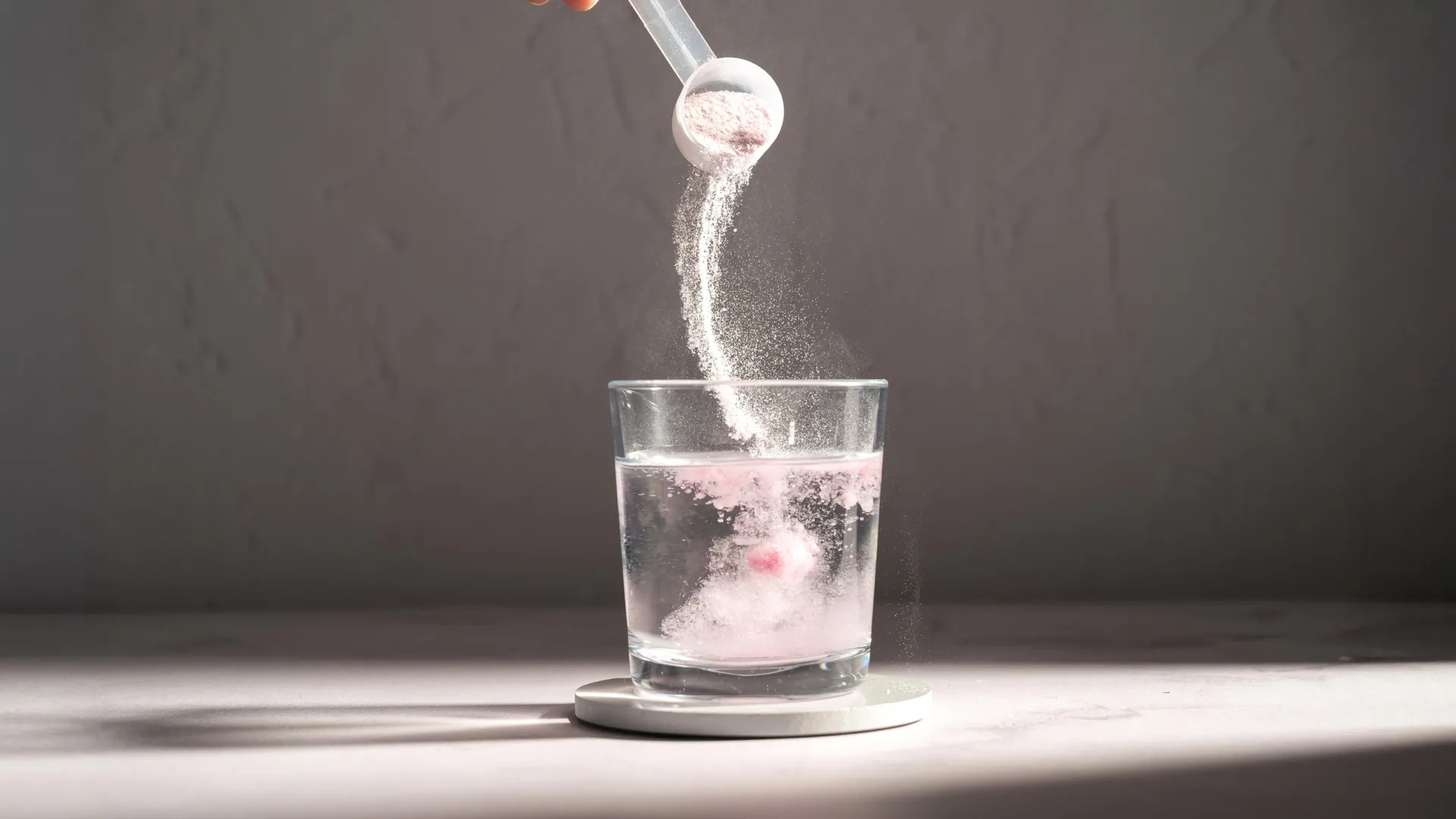
Creatine may help middle-aged adults build muscle, gain strength, and lose fat even beyond its familiar role as a workout supplement. Credit: Shutterstock
Creatine is widely known for helping support muscle growth and athletic performance, but researchers are increasingly examining whether its benefits extend well beyond the gym. New findings from Texas A&M University suggest creatine may be particularly useful in middle age, when preserving muscle becomes increasingly important.
In a 12-week study published in the Journal of the International Society of Sports Nutrition, adults ages 45 to 65 who took creatine increased their lean tissue and strength even if they did not follow a structured exercise program. Participants who combined creatine with regular exercise experienced even larger improvements.
The results add to growing research exploring creatine as more than a supplement for athletes. Scientists are also studying whether it can help support muscle health and healthy aging.
The study was led by Dr. Richard Kreider, professor and director of the Exercise and Sport Nutrition Lab at Texas A&M. Kreider has studied creatine for more than three decades. Creatine occurs naturally in the body and helps restore cellular energy, and decades of research have examined its effects on exercise performance, muscle growth, and strength. Kreider's earlier work has also suggested that creatine may offer health benefits throughout life.
Creatine Benefits Without Structured Exercise
The new study involved 64 healthy adults who completed the full 12-week intervention. Participants decided whether to join a structured exercise and diet-induced weight-loss program or remain in a non-exercise group. Within those groups, they were randomly assigned to consume either 10 grams of creatine monohydrate or a placebo each day.
Among participants who did not join the exercise program, those taking creatine gained roughly 2.4 pounds of lean tissue over the 12 weeks. They also increased their leg press and bench press strength.
Participants in the exercise program performed both resistance and aerobic training three times per week. Those who added creatine experienced greater gains in leg press strength, bench press strength, and time to exhaustion.
Creatine did not appear to improve aerobic capacity beyond the benefits of exercise alone. That result fits with previous evidence showing that creatine primarily supports muscular strength and power rather than aerobic fitness.
Building Muscle While Losing Fat
Researchers also examined another important issue: how to reduce body fat without losing muscle in the process.
Participants in the exercise group followed a diet that created a modest calorie deficit. After 12 weeks, those who took creatine had added nearly three pounds of lean tissue while also losing fat mass. By comparison, participants following the same exercise and diet program while taking a placebo showed little change in lean tissue.
The creatine group also experienced a larger decrease in body fat percentage. According to the researchers, this is the first study to show that adding creatine to an exercise and diet-induced weight-loss program can reduce body fat percentage more than exercise and diet alone.
Creatine and Healthy Aging
The findings add to decades of research investigating creatine for purposes beyond athletic performance.
Kreider has previously emphasized creatine's importance throughout the lifespan, including its potential value for older adults facing age-related declines in muscle mass and cognitive function.
The body makes creatine naturally, and it is also found in foods including meat and fish. However, Kreider says many people do not consume enough through food alone. Reaching a daily intake of 10 grams from diet alone would require eating roughly five to 10 pounds of meat or fish each day, he notes, making supplements a more practical and less costly option.
Creatine is also among the most heavily studied sports and nutritional supplements. In a 2025 analysis, Kreider and his colleagues reviewed 685 clinical trials and found no significant difference in reported side-effect rates between people taking creatine and those receiving a placebo.
The study was funded by the WoodNext Foundation through the Texas A&M Foundation.
---
Story Source:
Materials provided by Texas A&M University. Original written by Caitlin Clark. Note: Content may be edited for style and length.
---
Journal Reference:
1. Jisun Chun, Yuhang Liu, Giuliet L. Kibler, Hudson Lee, Khatereh Babakhani, Nathaniel Rhoades, Ian Bivins, Joungbo Ko, Broderick Dickerson, Drew E. Gonzalez, Ryan J. Sowinski, Chris J. Rasmussen, Richard B. Kreider. Effects of creatine supplementation with and without exercise and diet intervention on body composition, cognitive function, and markers of health in middle-aged and older adults. Journal of the International Society of Sports Nutrition, 2026; 23 (sup1) DOI: 10.1080/15502783.2026.2716273
---
Cite This Page:
Texas A&M University. "Creatine may help build muscle even without exercise, researchers find." ScienceDaily. ScienceDaily, 29 September 2026. <www.sciencedaily.com/releases/2026/09/260928100547.htm>.
Texas A&M University. (2026, September 29). Creatine may help build muscle even without exercise, researchers find. ScienceDaily. Retrieved October 1, 2026 from www.sciencedaily.com/releases/2026/09/260928100547.htm
Texas A&M University. "Creatine may help build muscle even without exercise, researchers find." ScienceDaily. www.sciencedaily.com/releases/2026/09/260928100547.htm (accessed October 1, 2026).
Explore More
from ScienceDaily
---
RELATED STORIES
---
Only One Workout Helped Older Adults Lose Fat Without Losing Muscle
June 28, 2026 A six-month study of more than 120 adults in their 70s found that high-intensity interval training (HIIT) may offer a key advantage over other forms of exercise: it helped reduce body fat while ...
This Type of Meat Supercharges Muscle Growth After Workouts
Oct. 15, 2025 Scientists discovered that lean pork builds muscle more effectively post-workout than high-fat pork, even with identical protein levels. Using advanced tracking techniques, they found that fat ...
Scientists Found a Smarter Mediterranean Diet That Cuts Diabetes Risk by 31%
Oct. 12, 2025 Spanish researchers found that combining a calorie-reduced Mediterranean diet with exercise and professional support cut type 2 diabetes risk by 31%. Participants also lost weight and reduced waist ...
Both High-Protein and Normal-Protein Diets Are Effective for T2D Management
Sep. 12, 2023 New findings indicate that the type of protein in the diet is not as important as the overall amount of weight loss for those with Type 2 diabetes. 106 adults with T2D were randomly assigned to ...
Why a High Fat Diet Could Reduce the Brain's Ability to Regulate Food Intake
Jan. 26, 2023 Regularly eating a high fat/calorie diet could reduce the brain's ability to regulate calorie intake. New research in rats found that after short periods of being fed a high fat/high calorie ...
Strength Gain Is Associated With Training Volume in Low Responders
Nov. 16, 2022 High-intensity isometric training is considered to be important in achieving greater strength gain. Recent study has shown that training volume is more important for strength gain than training ...
---
TRENDING AT SCITECHDAILY.com
---
NASA’s SpaceX Crew-13 Could Reach the ISS in Record Time
Study Finds Time-Restricted Eating Helped People Lose Weight Without Cutting Calories
Memory Decline May Start Much Earlier Than Scientists Once Thought
Could Earth’s Magnetic Field Be Secretly Influencing How We Age?