



A Redacted World: Word Wipe Tool Shows Effects of Government Censorship
In 2025, reports began circulating about lists of words and phrases banned for use by federal government agencies. The words, many of which are related to diversity and ethnicity, along with concepts like climate change, were deleted from government websites and used to screen applications for grants and research projects funded by the National Science Foundation, the National Institutes of Health, and other agencies and programs.
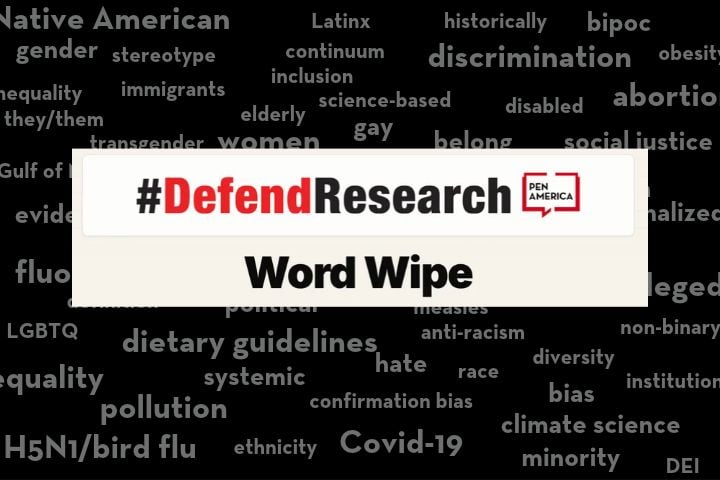
PEN America compiled the lists of banned, flagged and discouraged terms, resulting in a combined list of more than 350 words, which includes terms such as “women,” “stereotype,” “green,” and “hate,” along with seemingly desirable concepts like “evidence-based” and “clean water.”
Now, as part of Fall of Freedom 2026, #DefendResearch has teamed up with PEN America to create Word Wipe, a virtual tool that shows how a document changes when these banned words disappear from it.
Word Wipe allows users to paste in text and see a redacted version with the government’s banned words removed. Whether one chooses to paste in song lyrics, historical documents, poems, stories, laws or one’s own writing, the website illustrates the sobering effects of censorship, and the outrageousness of the government’s actions.
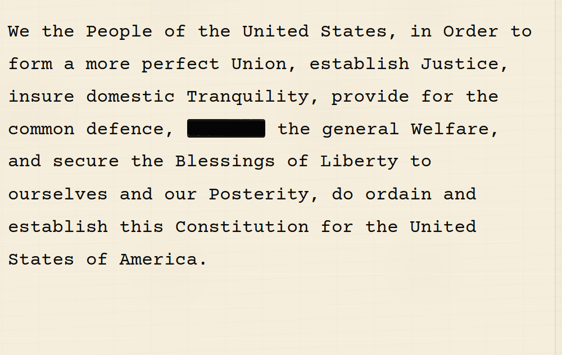
For example, PEN America plugged in the Preamble to the Constitution. Using just 52 words, the nation’s founding document lays out the goals in establishing the United States government. One of those words – “promote” – would be at risk of being removed.
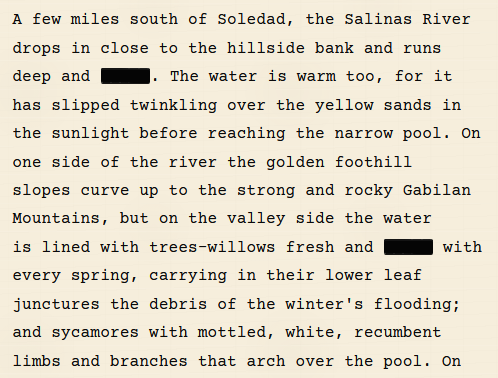
We also tested the first paragraph of John Steinbeck’s Of Mice and Men, a classic novella assigned in school districts nationwide – but also banned from school libraries and classrooms in some states. If the federal government’s bans were applied to one of the works that won Steinbeck the 1962 Nobel Prize for Literature, the prohibited word “green” would be removed twice.
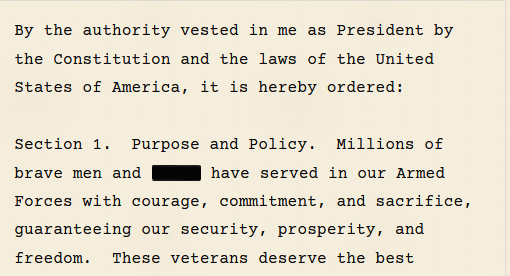
Perhaps the most telling example comes from the government itself – in this case, the White House. An executive order issued by President Donald Trump on Sept. 8, 2026 titled “Accelerating Access to Veterans Benefits and Employment Opportunities” gets a strike in the first sentence, where the “Purpose and Policy” of the order is laid out, when the word “women” is redacted.
Of course, the issue for scientists, social service providers and the vast universe of others who work for the government, seek to conduct research, or offer federally funded services to the public, is that banning words also means banning ideas, which seems to be the goal of this administration. The list goes far beyond President Trump’s effort to root out any vestige of diversity, equity, and inclusion in the government, and extends to rejecting a host of concepts like “clean energy” (a banned phrase), “climate change” (also on the list), and even “housing efficiency.”
To see the extent of the reach of the government’s banned words, try this tool yourself. You can Word Wipe your document here and share your results on social media with the hashtags #DefendResearch and #FallOfFreedom.
Proscribing what researchers and others can say and how they say it undermines scientific discovery, limits services, and suppresses artistic and cultural expression across American society. And it also produces plainly absurd results.
Up Next
 U.S. Free Expression
 U.S. Free Expression
 U.S. Free Expression
 U.S. Free Expression
-
U.S. Free Expression
 Banned Books
-
U.S. Free Expression
 Online Abuse & Digital Safety
 U.S. Free Expression
 U.S. Free Expression
 Campus Free Speech
Faced With Book Bans and Verbal Harassment, Public Librarians Are Reaching a Breaking Point
Tuesday September 1 Julia Goldberg Read More
Blurred Lines: ‘America Speaks’ On Free Speech and The Rise of AI
Tuesday August 18 Read More
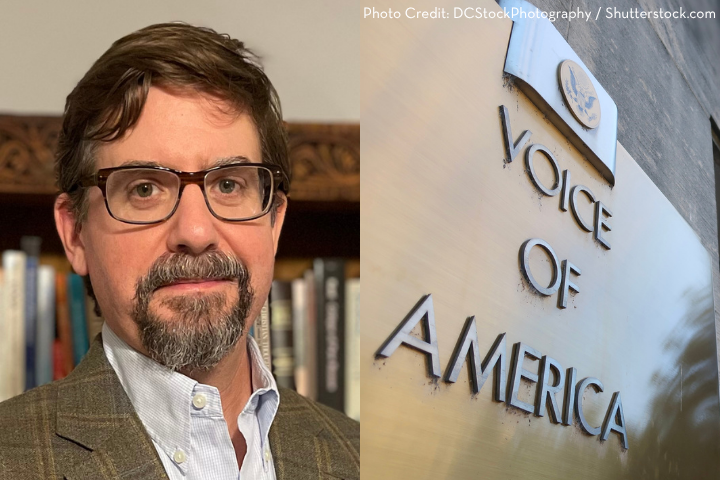
Longtime Voice of America Journalist Sues Trump Administration for Twisting Broadcaster Into Government Mouthpiece
Friday August 14 Julia Goldberg Read More
4 Ways 2026 State Laws Are Censoring Campuses
Friday August 14 Laura Benitez, Emma Sorkin Read More
America Speaks: ‘In my country, we’re not allowed to read these things’
Friday August 7 Read More
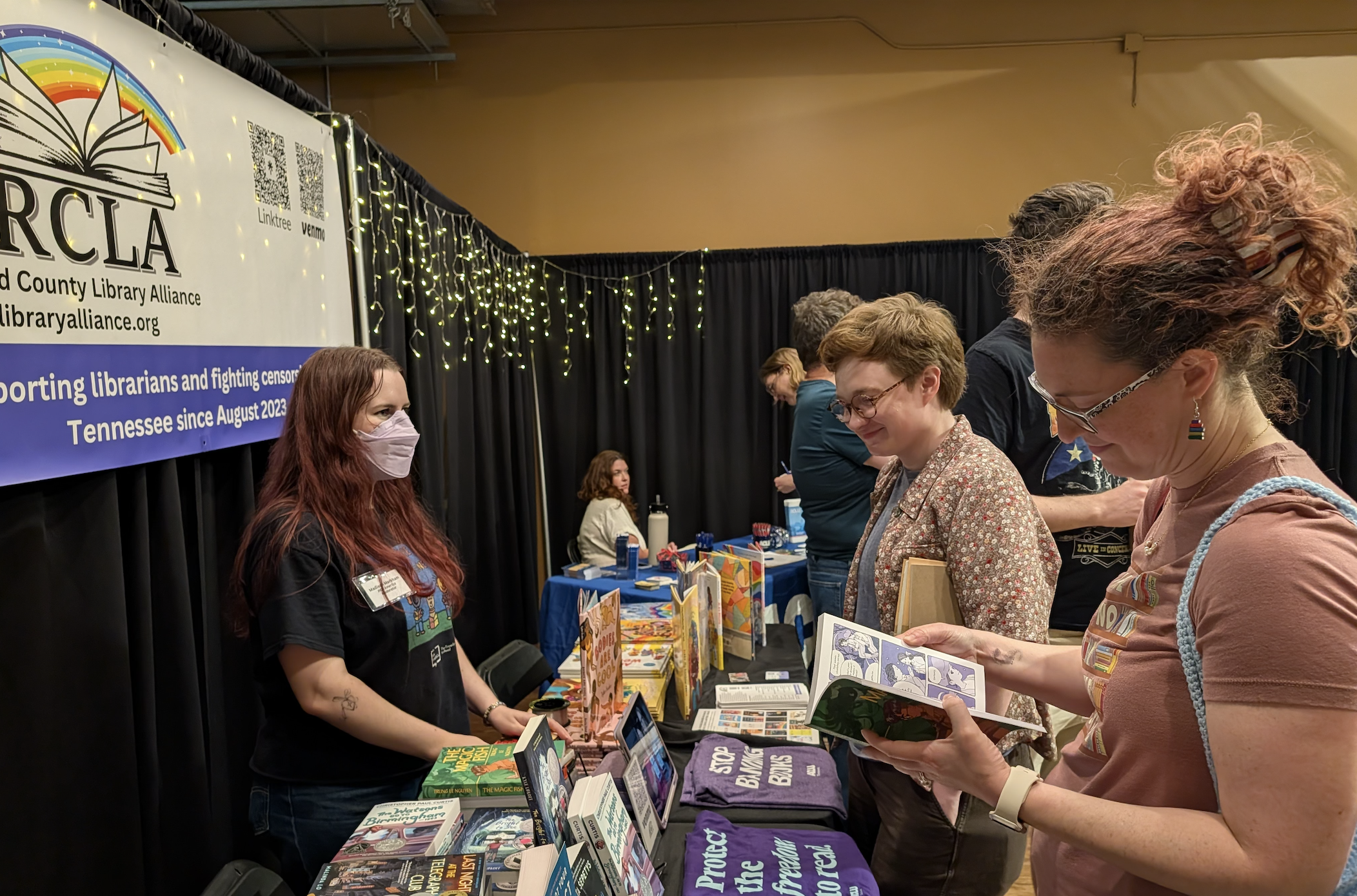
Lemony Snicket, Local Advocates Rally to Protect Tennessee’s Freedom to Read
Tuesday August 4 Julia Goldberg Read More
‘We’re Losing So Much’: ‘America Speaks’ About Free Expression Anxieties
Monday August 3 Read More
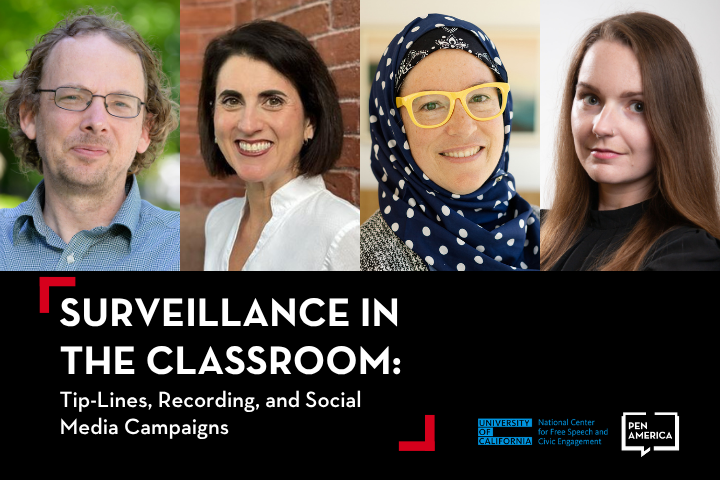
What You Need to Know About the New Ways Professors are Being Watched
Wednesday July 22 Aileen Favilla, beck Haberstroh Read More
For the Country’s 250th, an Art Installation Reflects on the Trump Administration’s 350+ Banned Words
Wednesday July 8 Suzanne Trimel Read More
Free Speech, Queer Voices: The Pride Book Fair and What It Means to Speak Freely
Tuesday July 7 Read More
‘Organize to win the future you deserve’: How Students on Campuses Can Keep Advocacy Alive
Tuesday June 30 Clare Carter Read More
Rewriting the Accreditation Playbook
Thursday June 11 Jeffrey Adam Sachs, Amy Reid Read More