



British Army Brings Cavalry Back—This Time for Modern Battlefield Recon
The British Army is experimenting with horses for reconnaissance, patrol, and security missions in terrain where conventional military vehicles may struggle to operate, according to imagery released by the UK Ministry of Defence and reported by UK Defence Journal on October 5.
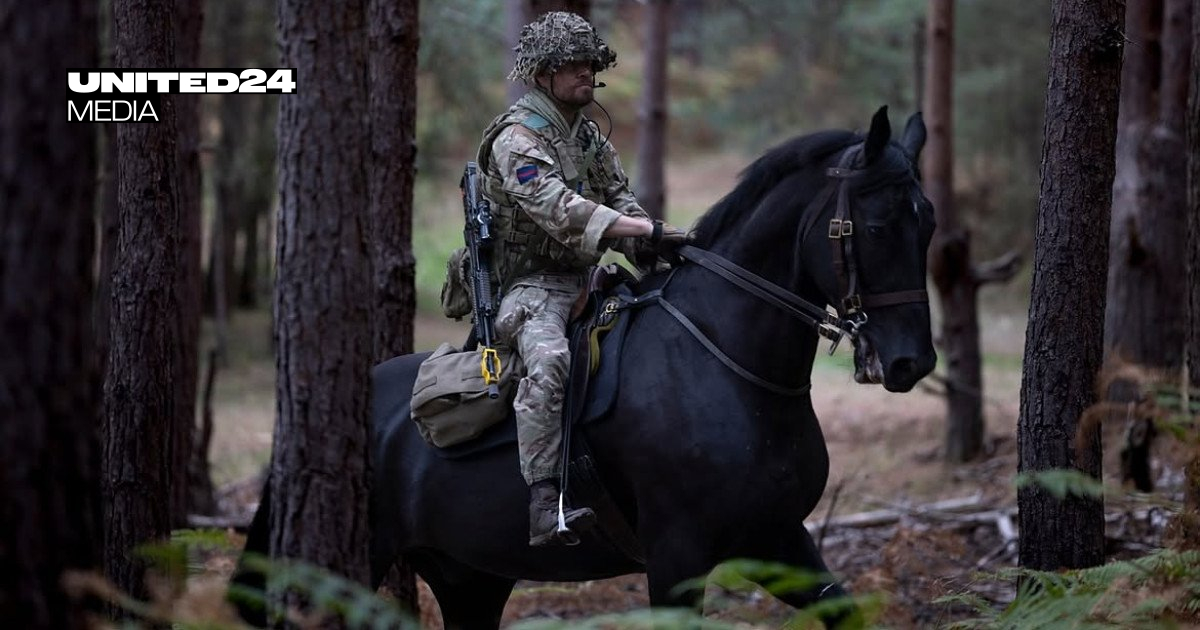
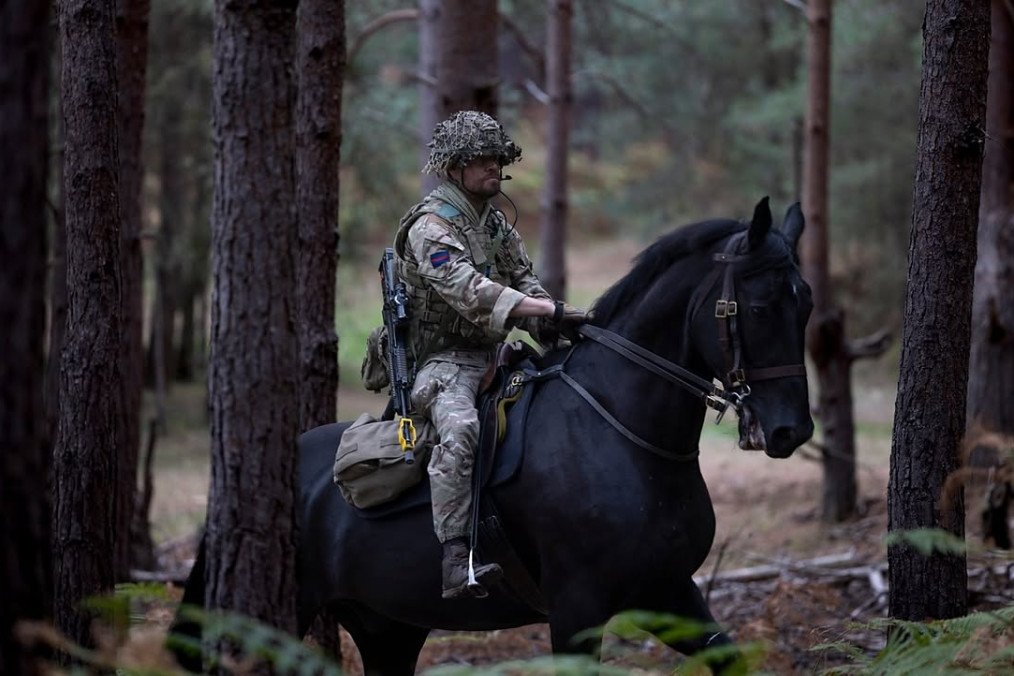
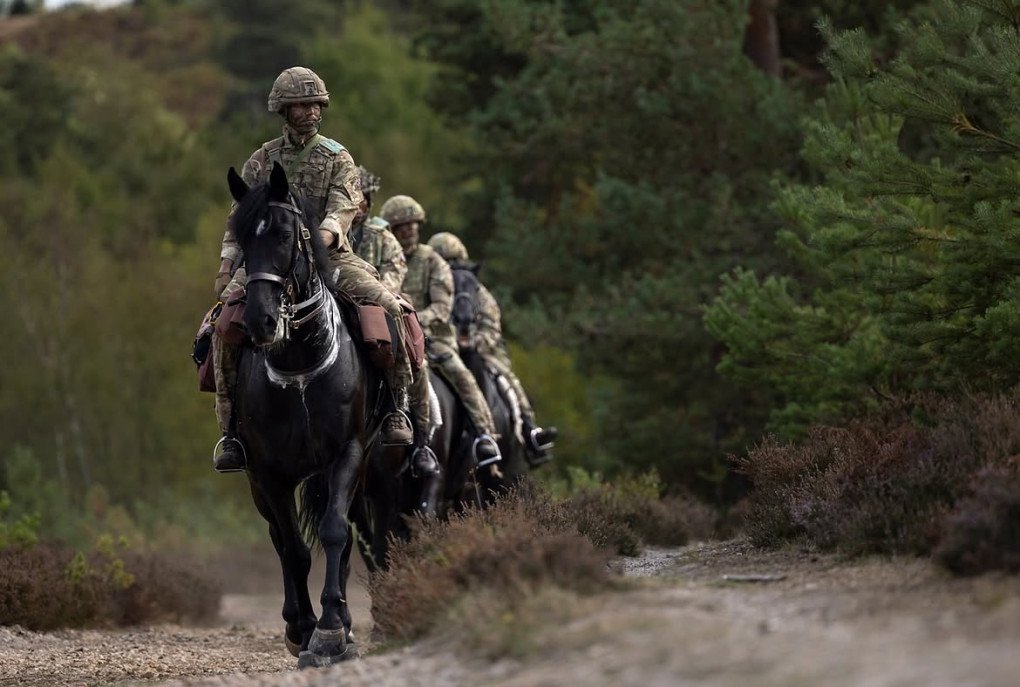
Soldiers and Military Working Horses from the Household Cavalry Mounted Regiment took part in a mounted combat capability experiment at the Barossa training area in Sandhurst on September 23.
We bring you stories from the ground. Your support keeps our team in the field.
The trial explored whether mounted troops could offer useful mobility in modern battlefield environments beyond the regiment’s better-known ceremonial role.
The exercise focused on difficult ground where narrow routes, broken terrain or limited vehicle access could complicate the movement of conventional military platforms.
[](https://storage.united24media.com/thumbs/x/d/97/82043edba9172925029dba59968ed97d.jpg)
Household Cavalry Mounted Regiment soldiers during the combat capability experiment at the Barossa training area in Sandhurst, September 23, 2026. (Source: British Army)
Soldiers conducted patrols in pairs from horseback while using SA80 sighting systems to locate and track simulated enemy positions, testing how mounted personnel could maintain observation and identify potential threats while moving through challenging terrain.
The Ministry of Defence stressed that the experiment was intended to examine a niche capability rather than signal a return to large-scale cavalry formations across the British Army. Instead, planners are looking at whether horses could provide a practical option in specific environments where vehicles are less effective or unable to move freely.
View this post on Instagram
Mounted troops offer a different mobility profile from mechanized units, particularly in areas with steep, wooded, narrow or heavily disrupted terrain. Horses can move across ground that may restrict larger vehicles while allowing soldiers to carry equipment and cover greater distances than they could comfortably manage on foot.
According to the MOD, the Sandhurst experiment also drew on lessons from international partners as the Army considered how mounted units might contribute to reconnaissance, patrol and security operations.
While the last cavalry charge in British military history took place in 1917, the idea of mounted units is being revisited—not for traditional combat, but for mobility in difficult terrain where vehicles struggle.
Previously, the British Army was exploring whether horses could once again play a practical role in modern warfare, drawing on lessons from allied forces and recent battlefield experience.
Discuss this article:
PERPLEXITY CHATGPT CLAUDE GEMINI

Help us understand what you already know
World See all
- Author Katherina Popilnichenko Category World Putin Warns Russia Must Not Create an “Intellectual Elite” Taught to Think Oct 06, 2026 00:12
- Author Katherina Popilnichenko Category World Putin Approves Italian Bank UniCredit’s Plan to Restructure and Sell Its Russian Bank Oct 05, 2026 23:25
- Author Katherina Popilnichenko Category World ‘Pre-War State’ Is Poland’s New Security Concept, With Warsaw Drafting Legislation to Counter Hybrid Threats Oct 05, 2026 22:30
- Author